
--->Measure S

Facilities Planning & Measure S
Planning for Safe, Modern Schools for Every Student
Charter Oak Unified School District is committed to providing an exceptional learning experience where every student feels supported, challenged, and prepared for success. With award-winning schools in Covina and Glendora, innovative Career Pathways, and strong college- and career-readiness programs, COUSD continues to build on its long history of serving students and families.
To sustain this level of quality, the District has been evaluating the long-term health, safety, and modernization needs of its school facilities. Following extensive facilities assessments, community engagement, and public discussion, the Charter Oak Unified School District Board of Education voted to place Measure S, a local school facilities bond measure, on the November 3, 2026 ballot.
This page provides factual information about the District’s facility needs, Measure S, potential projects, fiscal accountability requirements, and the planning process that led to the measure.

Measure S at a Glance
Election: November 3, 2026
Measure: Measure S
Purpose: Local funding for school facility repairs, modernization, safety, accessibility, and instructional facilities
Use of Funds: Funds may only be used for voter-approved school facility projects and may not be used for administrator or teacher salaries or benefits.
Local Control: Measure S funds would remain under local control and could not be taken by the State.
Accountability: Expenditures would be subject to independent citizen oversight and annual audits.
Bond Authorization: Up to $75 million
Estimated Tax Rate: Approximately $40 per $100,000 of assessed—not market—value

Why COUSD Is Engaging in Long-Range Facilities Planning
Many COUSD schools were constructed in the 1950s and have exceeded their intended lifespan. While our staff works tirelessly to maintain campuses, aging buildings require upgrades to remain safe, functional, and aligned with 21st-century learning needs.
Across the District:
- Several campuses are more than 65 years old
- Older portable classrooms remain in use, many beyond their recommended service life
- Aging infrastructure requires significant repair to avoid costly emergency fixes
- Modern learning environments — including science labs, engineering spaces, and technology infrastructure — are not available at all sites
To address these needs responsibly and transparently, COUSD is engaged in a multi-year facilities assessment and planning process.

Key Facility Needs Identified
Through ongoing inspections, architectural assessments, school site visits, and stakeholder input, several priorities have emerged:
Modern Learning Environments
Our students deserve access to classrooms and labs that reflect today’s academic standards and support instruction to prepare them for future success. Identified needs include:
- Upgrading science labs, technology spaces, and engineering/robotics rooms
- Modernizing classrooms to support project-based learning and digital integration
- Updating Career Pathway facilities aligned with health sciences, tech, engineering, culinary arts, business, and skilled trades
Health, Safety & Access
Many COUSD buildings must be improved to meet current safety and accessibility standards:
- Updating structures to meet current building codes and ADA accessibility
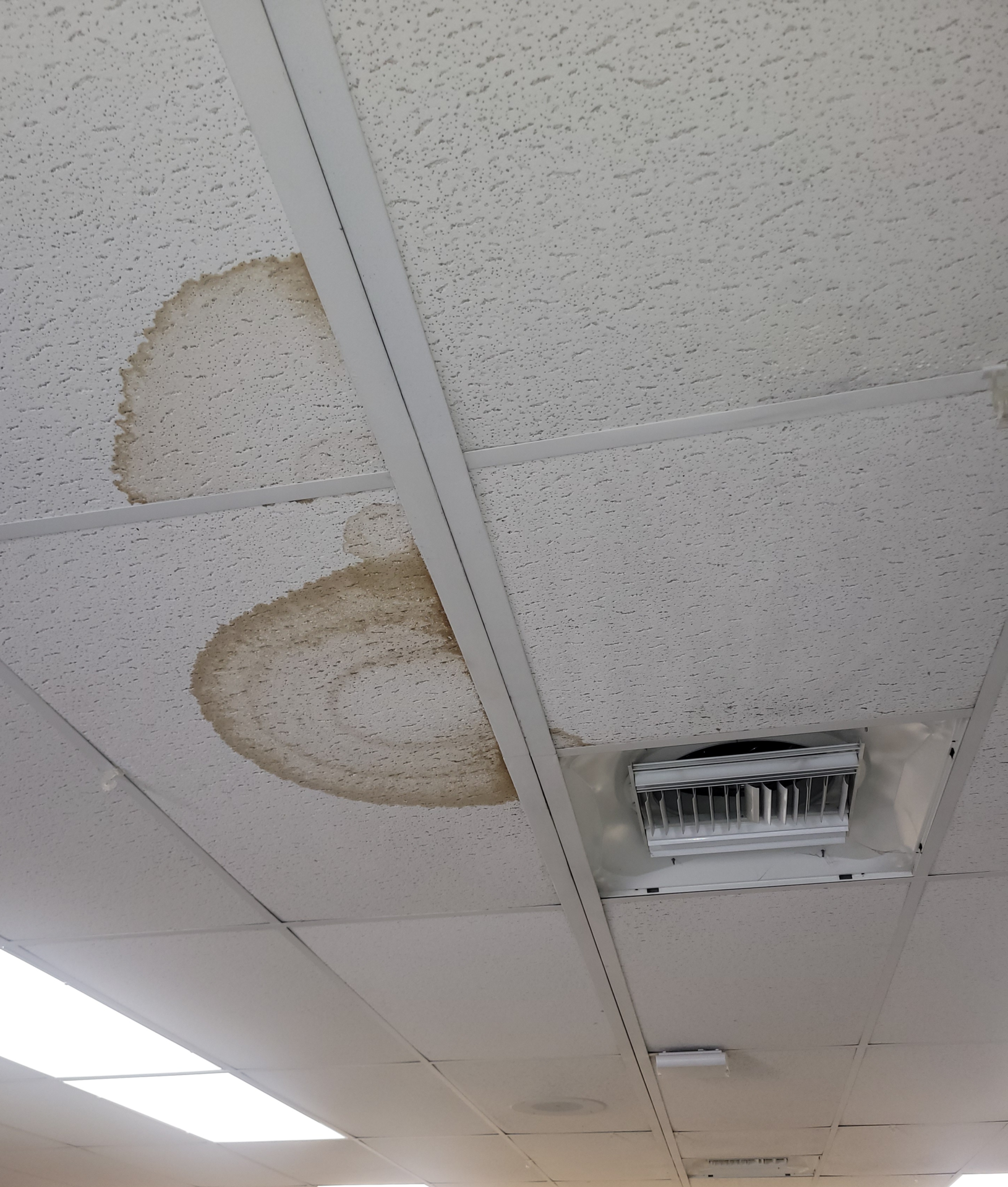
- Replacing aging infrastructure such as roofing, flooring, plumbing, and HVAC systems
- Removing hazardous materials, such as asbestos or lead, where they exist in older buildings
Campus Security & Emergency Preparedness
As safety standards evolve, COUSD continues strengthening its safety and communications systems districtwide:
- Improving campus security cameras and controlled-access systems
- Updating fire alarms, smoke detectors, sprinklers, and intrusion alarms
- Enhancing emergency communications systems across school sites
Replacing Aging Portable Classrooms
COUSD currently has 45 portables in use across the District. Many of these units have exceeded their recommended lifespan and require repair or replacement to ensure safe, functional learning spaces.

What Measure S Would Fund?
- Classroom modernization and conversion of outdated rooms into 21st-century learning spaces
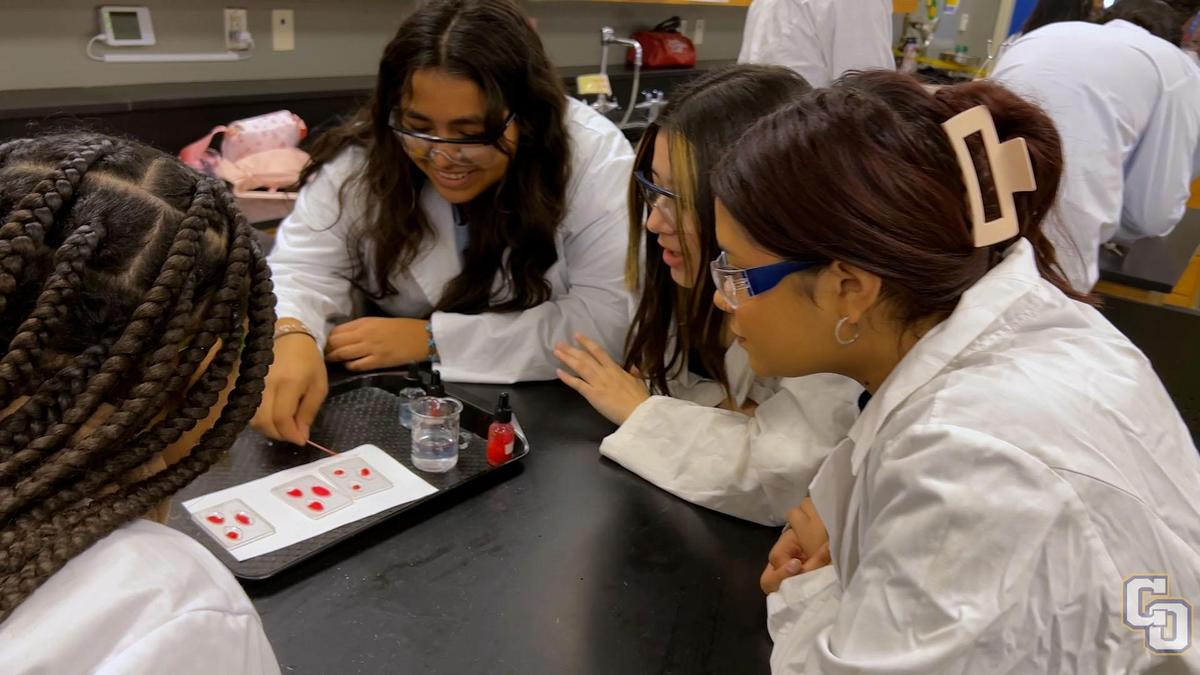
- Upgrades to labs, technology infrastructure, and CTE pathway facilities
- Replacing portables with permanent classrooms
- Repairs to aging roofs, plumbing, electrical, and heating/cooling systems
- Safety upgrades, including secure entry points and emergency communication systems
- ADA improvements to ensure all students have full access to campus facilities

Measure S Fiscal Accountability Requirements
Strict transparency and accountability standards are required, including:
- Local control: All funds must stay in Charter Oak Unified School District and could not be touched by the State
- A detailed project list outlining how funds must be spent
- Independent Citizens’ Oversight Committee monitoring all expenditures
- Annual audits to ensure compliance
- No funds can be used for administrator or staff salaries or benefits
These requirements exist to protect taxpayers and ensure every dollar is used as promised.

How We Got Here
The decision to place Measure S on the November 2026 ballot followed a multi-year facilities planning and community engagement process.
The District has conducted facility assessments, reviewed long-term repair and modernization needs, gathered feedback from employees, families, and community members, and discussed funding options during public Board of Education meetings.
Information gathered through this process helped identify priorities including aging infrastructure, outdated portable classrooms, safety and accessibility improvements, and the need for modern learning spaces that support science, technology, engineering, arts, and career preparation.
The Board of Education subsequently voted to place Measure S on the November 3, 2026, ballot for consideration by local voters.
